What Metrics Actually Matter for Orthodontic Growth?

How Onboard Marketing Group uses SEO and Ads data to identify what is driving real patient acquisition.
It is easy to focus on numbers that look impressive, such as website visits or ad impressions. However, these metrics do not always translate into new patients. Growth comes from understanding how visibility turns into action.
According to Google, businesses that use data-driven marketing strategies are more likely to improve ROI by making informed decisions rather than relying on assumptions. This is especially important in orthodontics, where patient acquisition depends on both visibility and conversion. Tracking the right metrics provides clarity. It shows what is working, what is not, and where adjustments should be made.
The Most Important SEO Metrics for Orthodontic Practices
Search engine optimization plays a major role in long-term growth. The right SEO metrics help practices understand how they are being discovered online.
1. Organic Traffic
Organic traffic measures how many users are visiting your website through search engines. According to BrightEdge, organic search drives over 50% of all website traffic, making it one of the most important channels for visibility. For orthodontic practices, this means your website must be positioned to capture patients actively searching for treatment.
2. Keyword Visibility
Keyword visibility tracks how well your website ranks for relevant search terms, such as:
- orthodontist near me
- Invisalign provider
- braces for teens
Ranking for high-intent keywords increases the likelihood of attracting patients who are ready to take action.
3. Click-Through Rate (CTR)
CTR measures how often users click on your website after seeing it in search results. A high CTR indicates that your titles, descriptions, and messaging are aligned with what patients are searching for. It also signals to Google that your content is relevant, which can improve rankings over time.
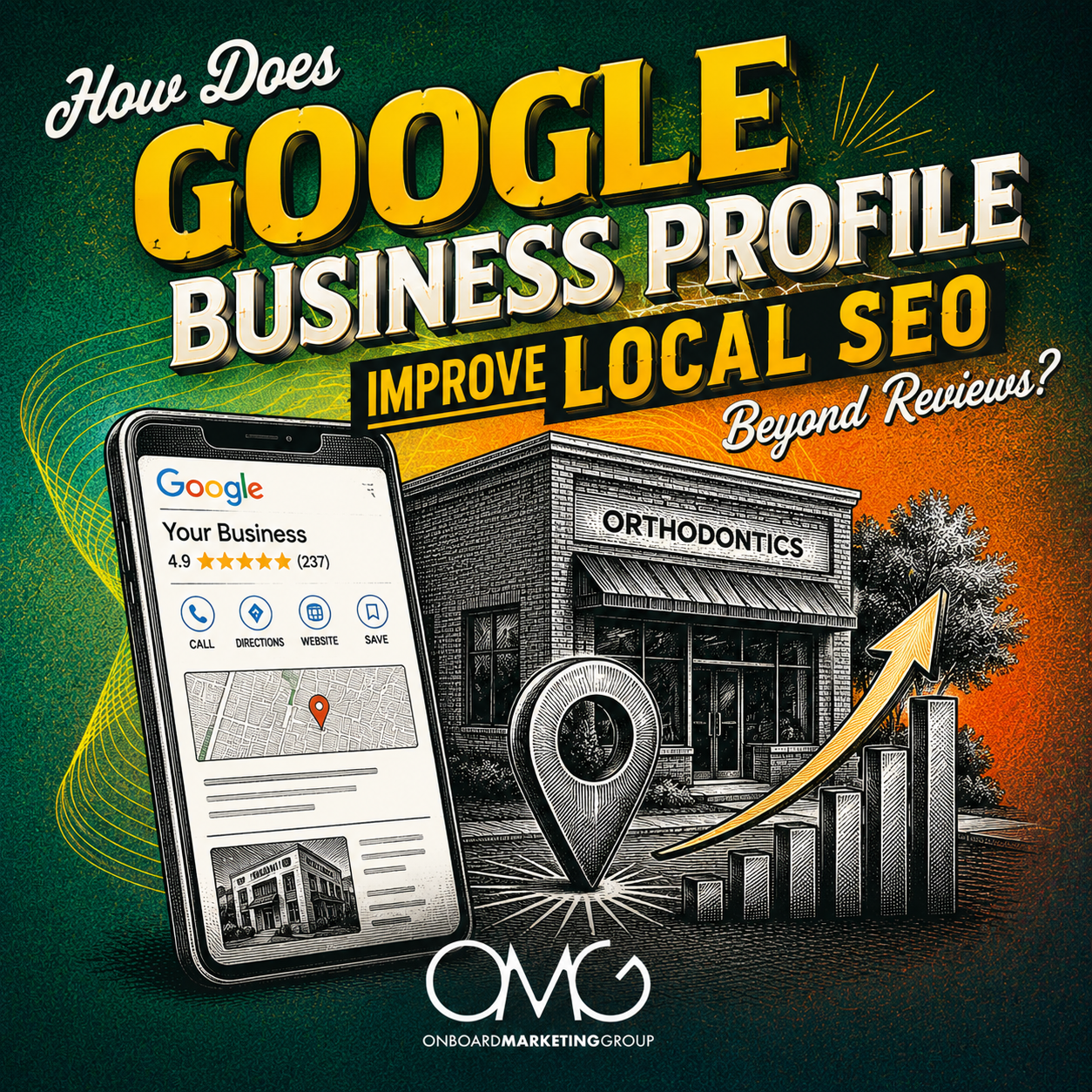
4. Local SEO Engagement
Local SEO metrics include:
- Google Business Profile calls
- Direction requests
- Website clicks
According to BrightLocal, 98% of consumers read online reviews for local businesses, underscoring the importance of local engagement and reputation in driving patient decisions.
The Most Important Paid Ads Metrics
While SEO builds long-term visibility, paid ads provide immediate traffic and lead generation. Understanding the right ad metrics ensures that your budget is being used effectively.
1. Cost Per Lead (CPL)
Cost per lead measures how much you are paying for each inquiry or form submission. This is one of the most important metrics because it directly connects ad spend to potential patients. Lower CPL with high-quality leads indicates an efficient campaign.
2. Conversion Rate
Conversion rate measures how many people take action after clicking your ad, such as filling out a form or calling your office. According to WordStream, the average Google Ads conversion rate across industries is around 6–7%, but healthcare and local service industries often vary based on targeting and messaging.
Improving conversion rate often comes down to:
- Clear messaging
- Strong landing pages
- Simple calls to action
3. Cost Per Acquisition (CPA)
CPA goes a step further than cost per lead by measuring how much it costs to acquire an actual patient. This metric is critical for understanding true ROI. It connects marketing performance directly to revenue.
4. Click-Through Rate (Ads)
Just like SEO, CTR in ads measures how effective your messaging is.
A higher CTR means:
- Your ad resonates with your audience
- Your targeting is accurate
- Your message stands out
Why SEO and Ads Data Must Work Together
One of the biggest mistakes practices make is evaluating SEO and ads separately, when in reality they work together to support growth. SEO builds long-term visibility, captures high-intent searches, and establishes authority, while ads generate immediate traffic, allow practices to test messaging quickly, and fill gaps in visibility. When both channels are tracked together, practices gain a clearer understanding of which keywords are driving leads, which campaigns are converting best, and where patients are entering the funnel. This combined insight creates a more complete picture of performance and allows for smarter, more strategic decision-making.
SEO builds long-term visibility
Ads generate immediate traffic
Data shows what converts
Strategy becomes smarter
Metrics That Actually Connect to Growth
While many metrics are available, only a few directly connect to patient growth, and understanding how each one performs relative to industry benchmarks allows practices to make informed decisions.
Organic traffic (visibility) shows how many potential patients are finding your website through search. For example, an increase in organic traffic after publishing blogs about Invisalign or braces for teens indicates that your content is attracting patients actively researching treatment options. While benchmarks vary by market, steady month-over-month growth of 5–15% is typically a strong indicator that SEO efforts are gaining traction.
Keyword rankings (intent) reveal how well your practice appears for high-intent searches. Ranking on page one for terms like “orthodontist near me” or “Invisalign in [city]” is critical, as over 90% of users do not go past the first page of search results ( Backlinko). The goal is not just ranking, but ranking in the top 3 positions, where the majority of clicks occur.
Click-through rate (engagement) measures how often users click on your site after seeing it in search results or ads. For SEO, a strong CTR is typically 3–5% or higher, depending on position. For Google Ads, average CTRs are around 5–10% for search campaigns ( WordStream), with higher-performing campaigns exceeding that range when messaging is well aligned.
Cost per lead (efficiency) shows how much you are paying to generate an inquiry. For orthodontic and dental practices, a typical cost per lead can range from $30 to $150, depending on competition and location. Lower costs are ideal, but lead quality is just as important as volume.
Conversion rate (performance) tracks how many of those leads take action, such as scheduling a consultation. Across industries, landing page conversion rates average around 5–10%, but strong healthcare campaigns often perform in the 10–20% range when messaging, targeting, and follow-up are aligned.
Cost per acquisition (ROI) measures how much it costs to gain an actual patient. In orthodontics, this can vary widely, but many practices aim for a cost per acquisition between $300 and $1,000, depending on case value and lifetime patient revenue. This metric provides the clearest picture of whether your marketing is profitable.
Together, these metrics tell the full story, from initial discovery to final decision, allowing orthodontic practices to see exactly where growth is happening, where breakdowns exist, and where improvements can drive more predictable and sustainable results.
How Onboard Marketing Group Uses Data to Drive Growth
At Onboard Marketing Group, data is used to guide strategy, not just report results. We focus on tracking meaningful SEO performance, optimizing ads for conversion rather than just clicks, aligning messaging with patient intent, and connecting marketing data to real outcomes like scheduled exams and starts. By prioritizing the metrics that truly matter, practices can move from guessing to growing with clarity and confidence.
Tracking meaningful SEO performance
Optimizing ads for conversion rather than just clicks
Aligning messaging with patient intent
Connecting marketing data to real outcomes like scheduled exams and starts
Final Answer
The metrics that matter for orthodontic growth are the ones that connect visibility to patient action. SEO metrics like organic traffic and keyword rankings show how patients find you, while ads metrics like cost per lead and conversion rate show how effectively you turn that attention into results. When these metrics are tracked together and used to guide decisions, growth becomes more predictable and more sustainable.
If your practice is tracking data but not seeing clear results, a discovery call with Onboard Marketing Group can help identify which metrics matter most and how to use them to support real growth.
Frequently Asked Questions
What is the most important SEO metric for orthodontists?
Organic traffic and keyword visibility are key because they show how easily patients can find your practice online.
What is a good conversion rate for orthodontic ads?
While averages vary, many industries see conversion rates around 6–7%, but performance depends on targeting, messaging, and landing page quality.
Why is cost per lead important?
Cost per lead shows how efficiently your marketing budget is generating inquiries, which helps determine overall campaign performance.
Should SEO and ads be tracked together?
Yes. Tracking both together provides a complete picture of how patients discover and choose your practice.
How do I know if my marketing data is working?
If your metrics clearly connect to scheduled exams and starts, your data is working. If not, your tracking or strategy may need adjustment.
READY TO GET STARTED AND SEE YOUR PRACTICE GROW!
Share This Post